
How Meta charges now
On Meta's official WhatsApp Business Platform you pay for each message delivered, priced by the recipient's country and the kind of message:
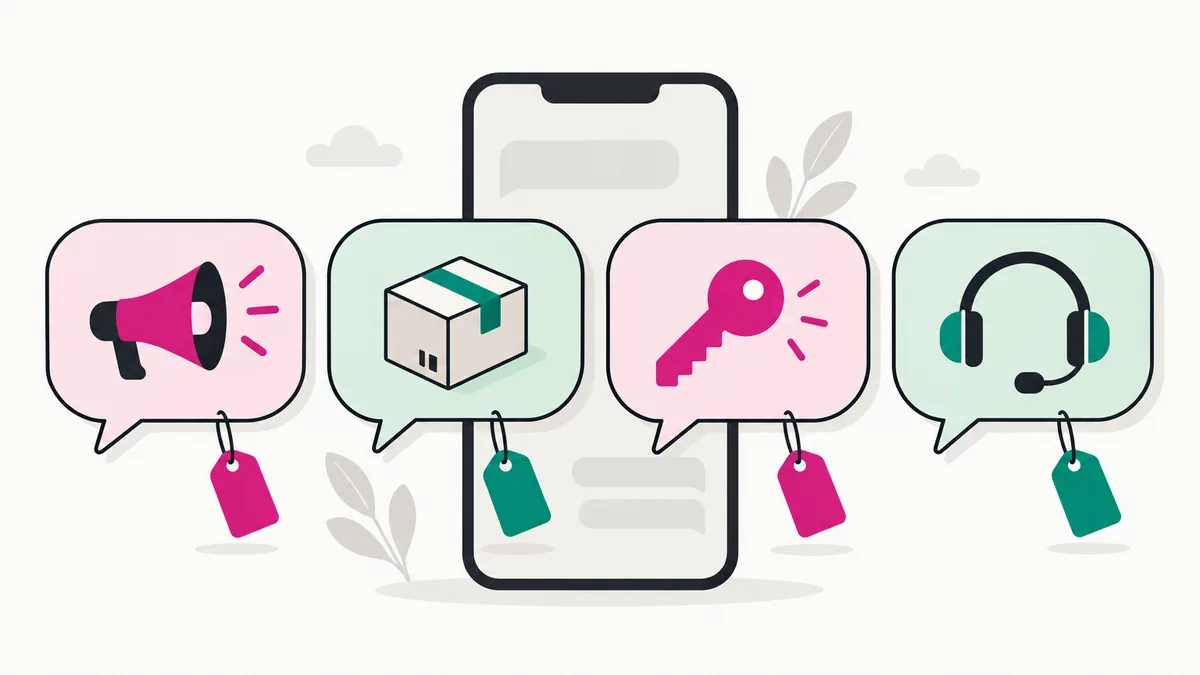
- Marketing: offers, promotions, re-engagement.
- Utility: order updates, delivery notices, reminders, account alerts.
- Authentication: one-time passcodes. Businesses outside the recipient's country pay a higher authentication-international rate in some markets.
- Service: free-form replies to a customer who messaged you, sent inside the 24-hour window that opens with each customer message.
From 1 October 2026, Meta lists only two cases where a message is free: messages in the free entry point window, which opens when a customer reaches you through a click-to-WhatsApp ad, and the first 1,000 service messages a month for each business phone number. Utility templates sent inside the 24-hour window used to be free; they no longer appear on that list. Replies past the first 1,000 are now charged at the same rate as utility messages.
The rates
Per delivered message, in US dollars, from the rate card effective 1 October 2026:
| Country | Marketing | Utility | Authentication | Auth (international) | Service |
|---|---|---|---|---|---|
| Pakistan | $0.0473 | $0.0150 | $0.0150 | $0.0750 | $0.0150 |
| Nigeria | $0.0516 | $0.0067 | $0.0067 | $0.0750 | $0.0067 |
| India | $0.0118 | $0.0014 | $0.0014 | $0.0304 | $0.0014 |
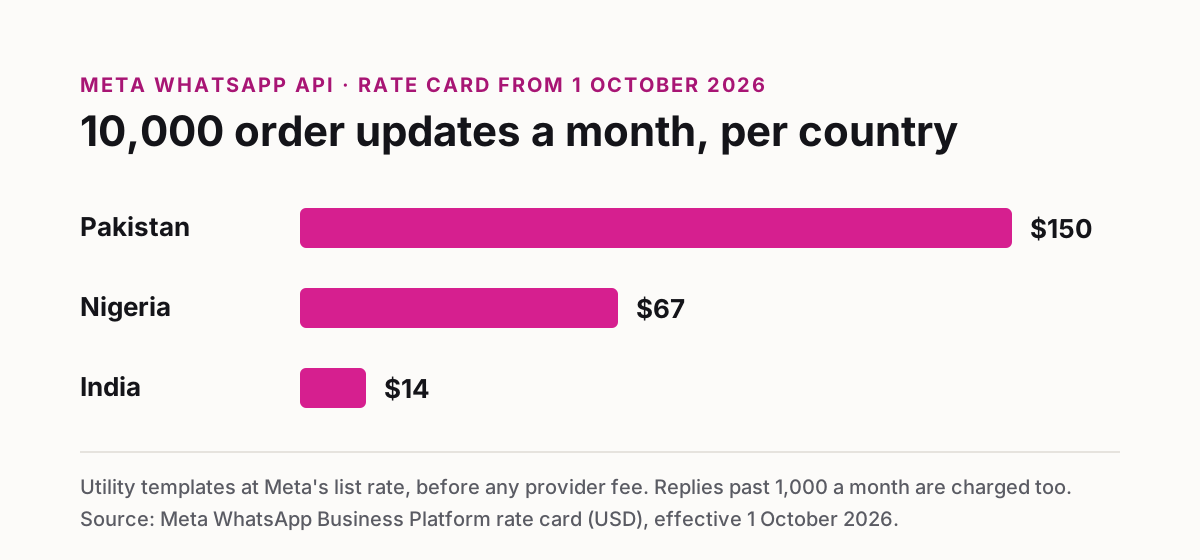
Pakistan's utility rate rose from $0.0100 to $0.0150 on 1 October, an increase of half. It is now more than ten times India's. Nigeria's is nearly five times India's, and a marketing message to Nigeria costs more than four times one to India.
Utility and authentication get volume discounts, but only at list rate up to 25 million utility messages a month in India, 150,000 in Pakistan and 100,000 in Nigeria. Small teams rarely reach them.
What alerts cost a month
Order and delivery updates are utility templates. Because you message first, every one is charged. Meta's fee alone, at list rate:
| Updates a month | Pakistan | Nigeria | India |
|---|---|---|---|
| 1,000 | $15 | $6.70 | $1.40 |
| 10,000 | $150 | $67 | $14 |
| 50,000 | $750 | $335 | $70 |
Your provider (Twilio, 360dialog or any other Business Solution Provider) may add its own fee on top, so check both. Every new message wording also needs a template approved by Meta before you can send it.
Replies cost money again
Answering customers used to be free on the official API. From 1 October 2026, each business number gets 1,000 free service messages a month, and every reply after that is charged at the service rate.
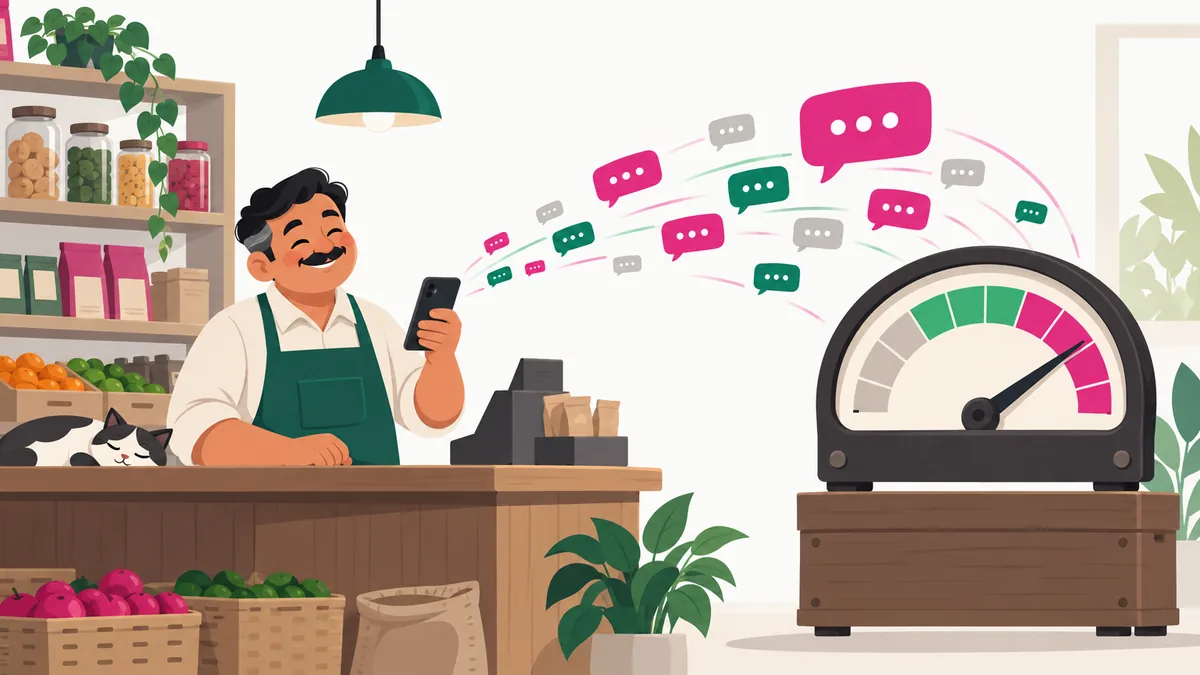
A shop that sends 5,000 replies a month pays for 4,000 of them: $60 in Pakistan, $26.80 in Nigeria, $5.60 in India. That is on top of the alerts that started the conversations, and support teams in WhatsApp-first markets reach 1,000 replies quickly.
When the official API is the right choice
In India, utility messages at $0.0014 are cheap enough that the fee is rarely the deciding factor: 10,000 order updates cost $14 a month. If you need the green-tick business profile, very high volume from one number, or a compliance team that requires an official Meta integration, the official platform is reasonable there.
It is also the right route anywhere if you send marketing to large opted-in lists. Nothing else is built for that.
Where it gets expensive
In Pakistan and Nigeria the arithmetic changes. 10,000 proactive updates a month cost $150 in Pakistan and $67 in Nigeria, every month, and the bill grows with every alert you add and every reply past the free tier.
That is the gap linked-device APIs fill. They connect to a regular WhatsApp number the way WhatsApp Web does, so there are no per-message fees and no template approval. ChatRail is one of them: $15 a month for one number, with no per-message fee. Against Meta's utility rates, that flat fee equals about 1,000 messages in Pakistan, 2,239 in Nigeria and 10,714 in India. Above that, the flat fee is cheaper, and replies are included.
What you give up
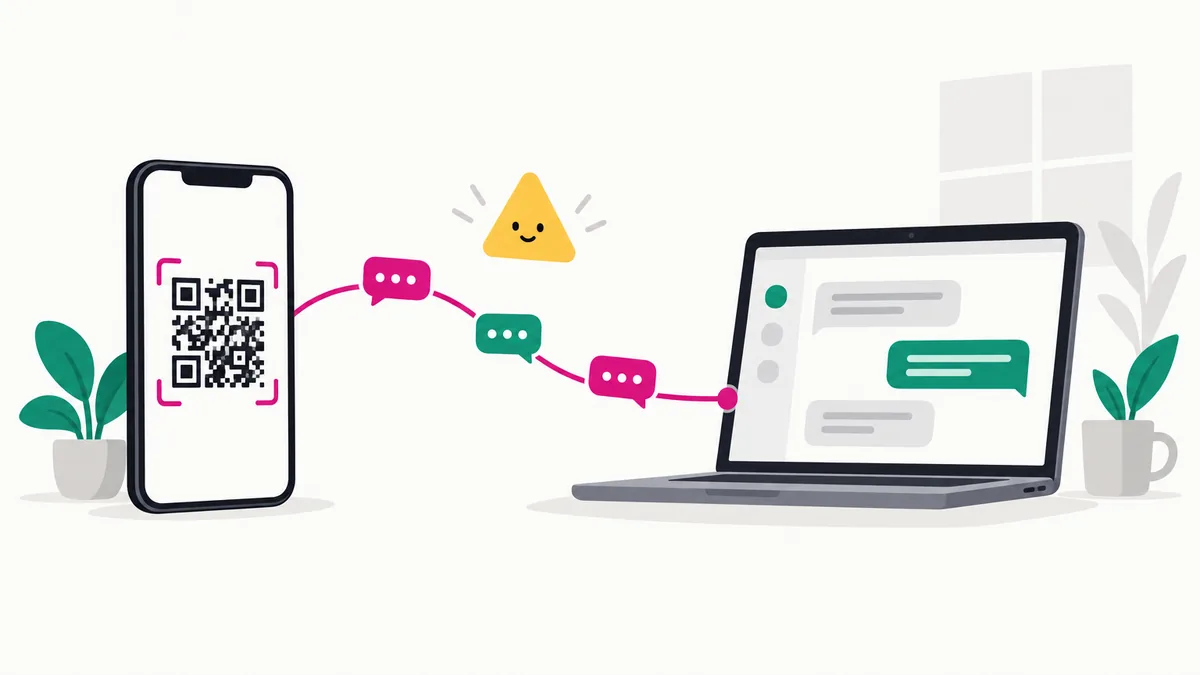
A linked-device API is not the official platform, and the trade-offs are real:
- No green tick or official business profile. The number is a regular WhatsApp account.
- WhatsApp's rules still apply. Numbers are restricted for behaviour, mainly unsolicited bulk messages and people reporting you. No linked-device API can make cold outreach safe. ChatRail refuses repeated sends to the same person, but it is built for alerts people expect, not marketing blasts. How to tell an expired session from a real ban.
- Sessions can drop. A linked device can be disconnected and need pairing again, so plan for it. ChatRail sends a
session.disconnectedwebhook and holds queued messages.
If your messages are marketing to large lists, use Meta's platform. If they are operational alerts to customers who expect them, in a market where Meta's rates bite, a linked-device API is worth a look.
Check the numbers yourself
Meta updates its rate card, and this page will go out of date. The current cards are linked from Meta's WhatsApp Business Platform pricing page. This post uses the card effective 1 October 2026, checked on 2 October 2026.